
Are you itching to start a new project or tackle your home’s renovation to-do list? Don’t let the cold winter weather discourage you from starting your home addition or home remodeling plans. Even in the cold and snowy Twin Cities, James Barton Design-Build can handle home remodeling at any time.
The Benefits of Starting Your Twin Cities Home Addition During the Cold Months
- It may sound surprising, but the frozen ground and dry air are actually good conditions for digging foundations and pouring concrete footings. Trying to dig in warmer months with the muddy ground and damp, humid air makes it more difficult and slows down the curing process for concrete.
- Another good reason to start an addition in winter: It gives you a jump start on the process before the rainy season hits. Once an addition has its foundation and is framed, it’s safe and protected from any springtime rainy days – meaning you’ll be less likely to encounter rain days that would otherwise slow down work outside.
- If you’re traveling during the cold months, it can be an opportune time to plan an addition or remodeling project. You can sidestep living in your home during the remodeling process and return to a newly transformed home.
 Stay Ahead of the Game
People tend to hunker down for the winter and often figure they can get the ball rolling on their renovation project once spring arrives. Since many homeowners feel that way, it’s better to get things started early!
By getting a head start on your Twin Cities home addition, you can work with the James Barton Design-Build team to create a plan, make design choices, and have a new home addition to look forward to as spring approaches.
Winter Home Addition Ideas
Here are a few key home additions we recommend tackling during the brutal winter months.
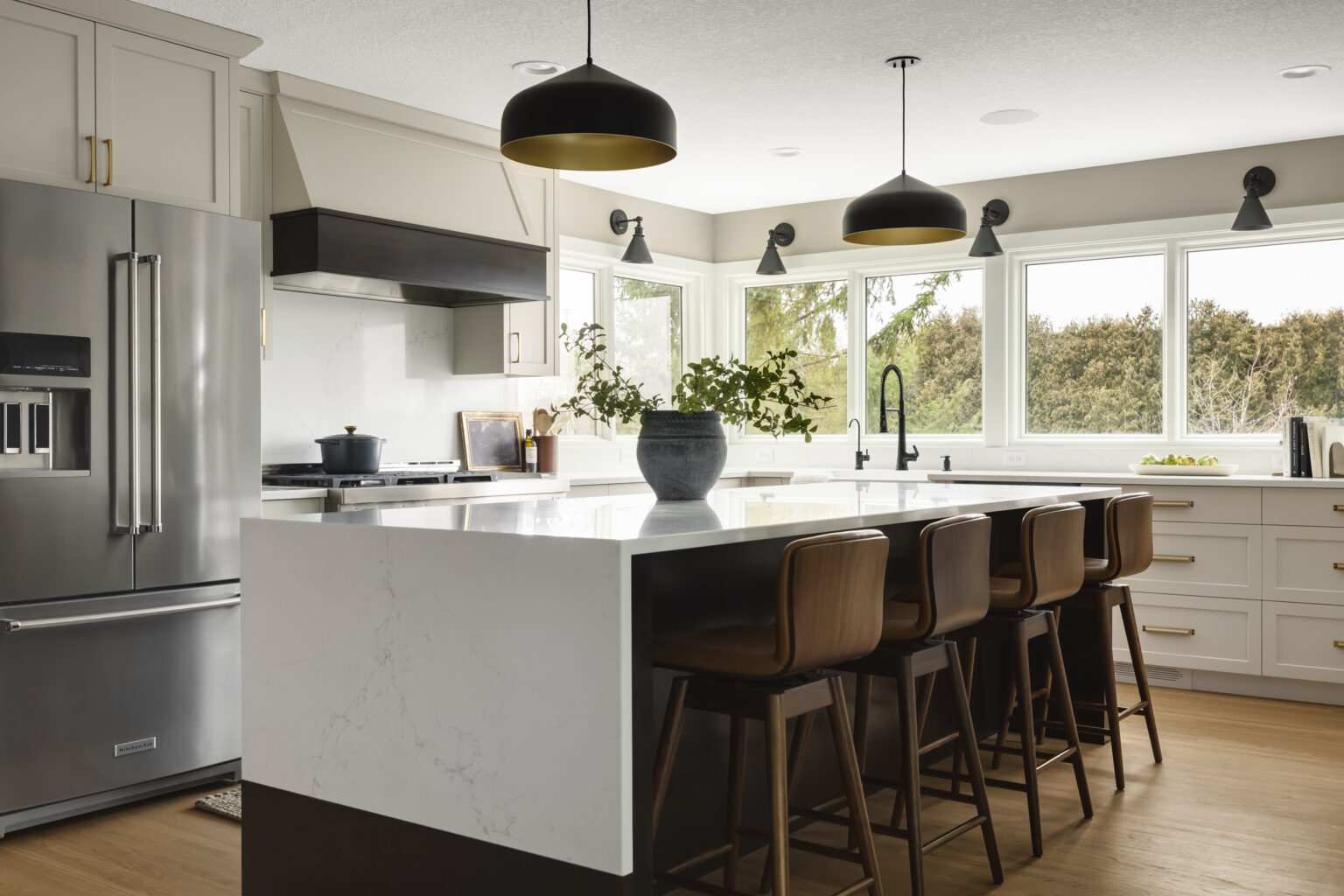
Kitchen Addition
Winter is an ideal time to expand your kitchen, so your household has more space to cook together, enjoy meals, and entertain friends and family.
“Tackling an extensive kitchen remodel is an excellent idea if you plan to travel during the winter,” says Kayleigh Queoff, one of JBDB’s designers. “Our team can install new flooring, cabinetry, lighting, and appliances, and you can arrive home to an upgraded space.”
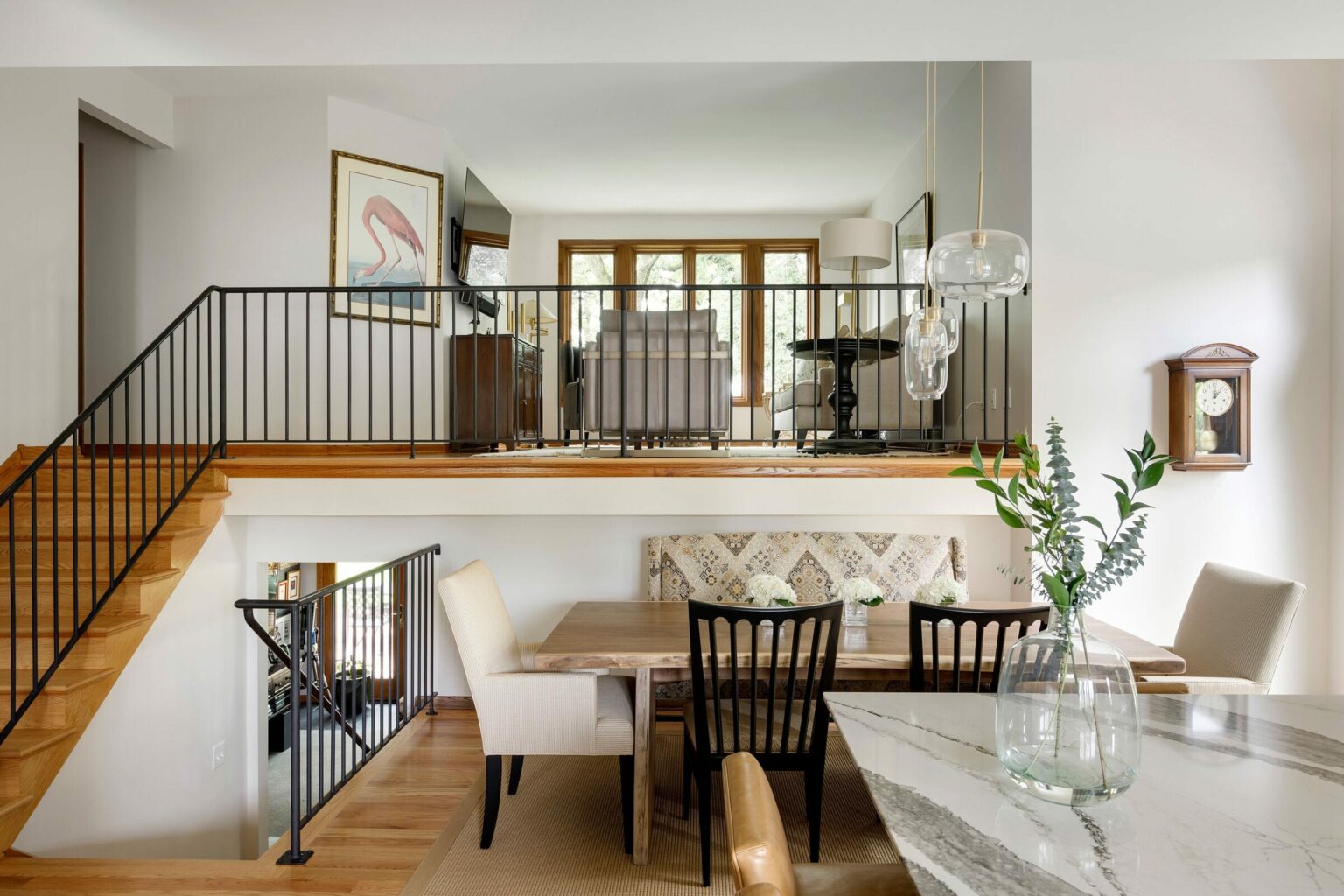
Living Room Addition
Our team can help create a living space that’s cozy, comfortable, and personalized. Incorporate a more expansive entertainment center, add a fireplace, or transform your floor plan to an open concept layout.
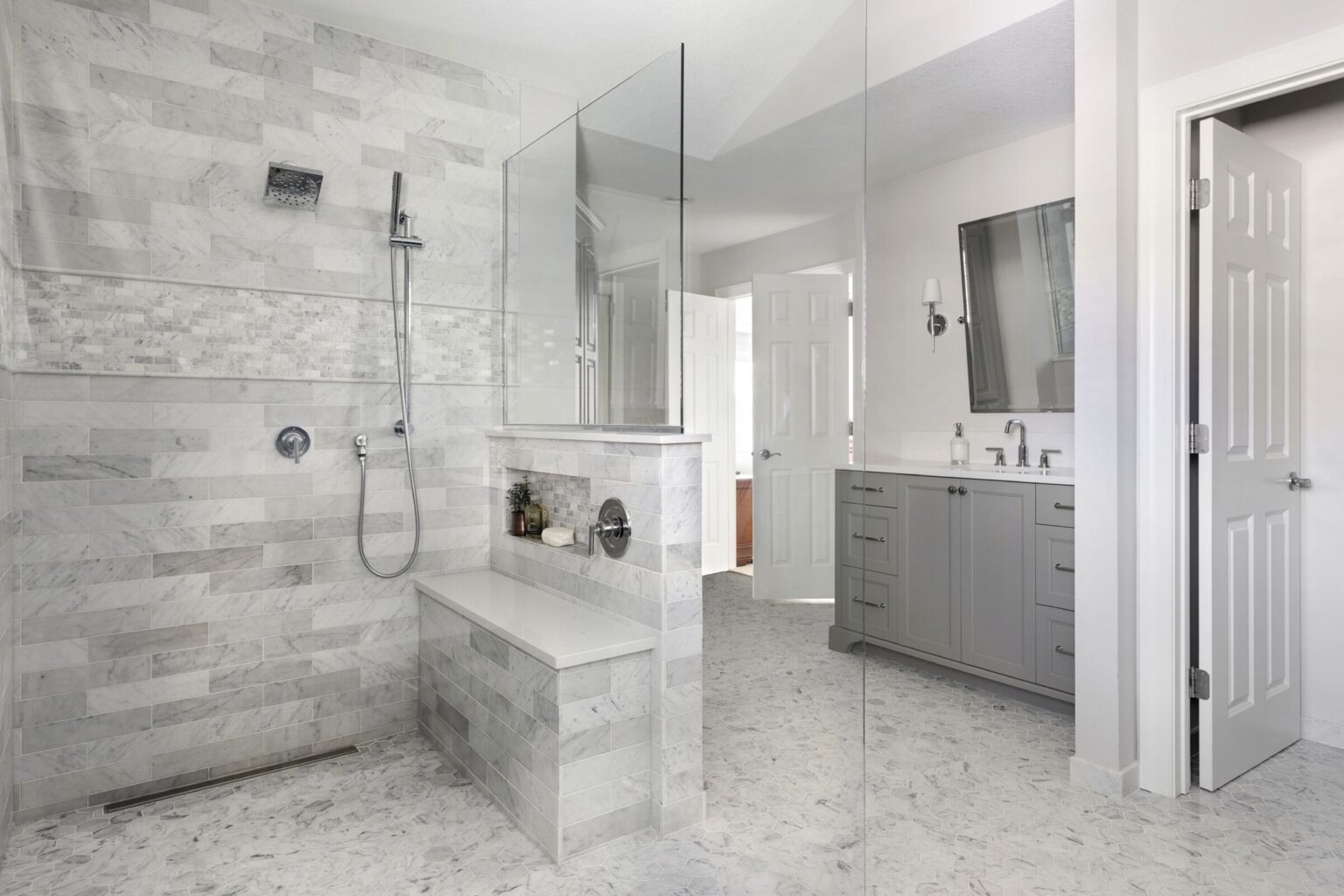
Bathroom Addition
Bathrooms provide peace, rejuvenation, and warmth, especially during winter. You can incorporate exciting elements with a newly remodeled space, such as a soaking tub (a must-have to survive Minnesota winters) or customized storage solutions.
Outdoor Living Spaces
Winter is the perfect time to start the design process for that new outdoor living space that you’ve been dreaming about. By getting a head start, it’s more likely you’ll be able to enjoy your new deck or patio in the warmer months.
Take a closer look at our outdoor living spaces services and see what you want to add to your yard this year.
JBDB Can Handle Your Twin Cities Home Addition
Our team can build a seamless home addition to give you added space that blends into your home’s existing design. Whether it’s an expanded living space, primary bedroom suite, office space, or gorgeous sunroom, the JBDB team can guide you through the process of remodeling your home.
Talk to our home remodeling experts at James Barton Design-Build to find the best time to start your next project!